Treatment Options for Nystagmus: Glasses, Therapy, and Surgery

Treatment Options for Nystagmus: Glasses, Therapy, and Surgery

Treatment Options for Nystagmus: Glasses, Therapy, and Surgery

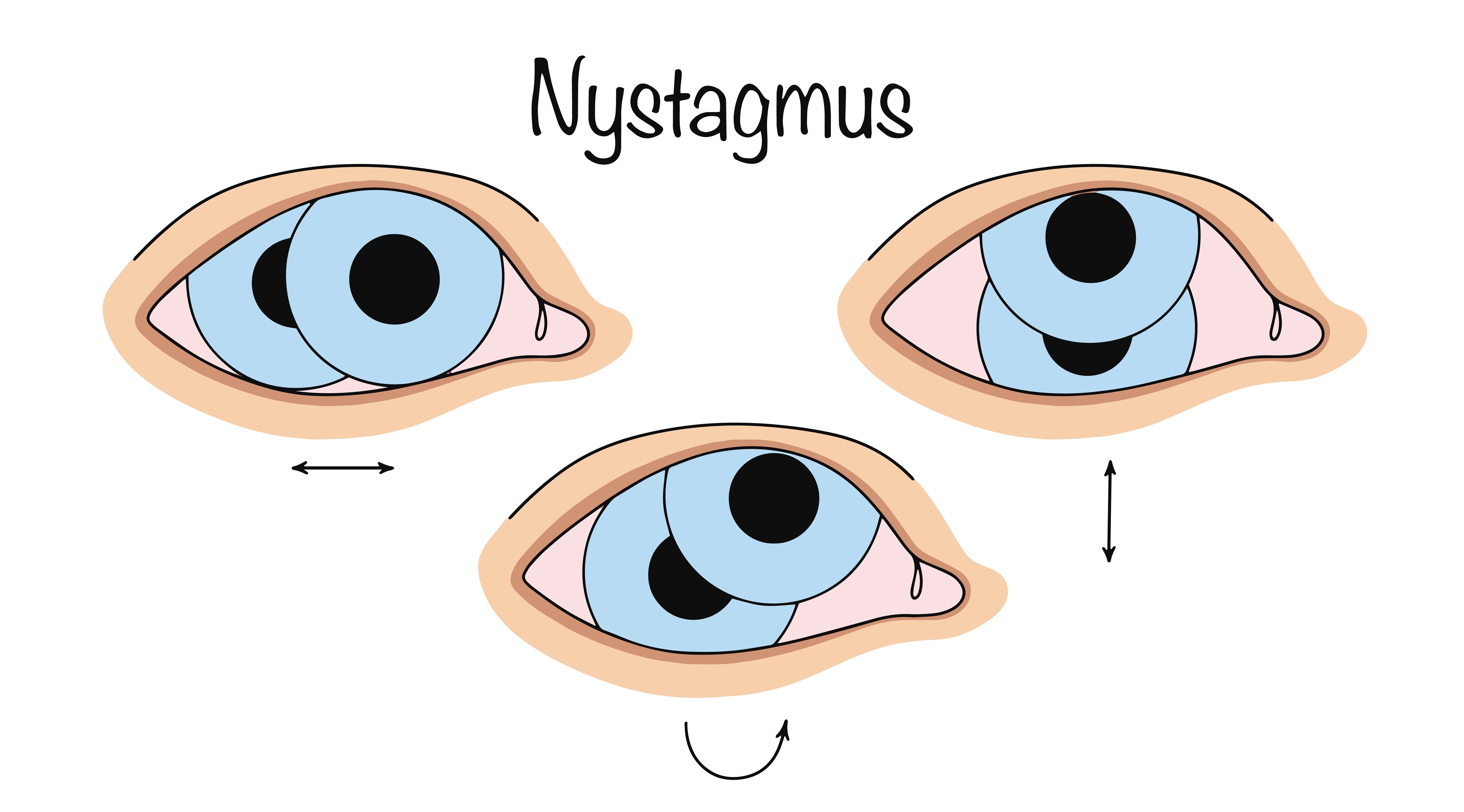
Nystagmus is a vision condition characterized by involuntary, repetitive eye movements that can affect one or both eyes. These movements may be side-to-side, up and down, or circular, and they can interfere with visual clarity, depth perception, and balance. Nystagmus may be present from birth (congenital) or develop later in life due to neurological, inner ear, or vision-related causes.
While nystagmus cannot always be fully cured, modern eye care offers several effective treatment options that can significantly improve vision, comfort, and quality of life. The right approach depends on the type of nystagmus, its underlying cause, and how much it affects daily activities.
Glasses and Contact Lenses
For many patients, corrective lenses are the first and most accessible treatment option. Glasses or contact lenses do not stop the eye movements themselves, but they can improve visual clarity by correcting refractive errors such as nearsightedness, farsightedness, or astigmatism.
In some cases, contact lenses may offer better visual outcomes than glasses because they move with the eyes, helping maintain more consistent focus. Certain patients may also benefit from prism lenses, which can help reduce abnormal head positioning by shifting images into a more comfortable viewing angle.
An eye doctor will determine whether standard lenses, specialty lenses, or prism correction is most appropriate based on the patient’s visual needs and eye movement patterns.
Vision Therapy
Vision therapy is a non-surgical treatment option that uses customized exercises to improve how the eyes and brain work together. While vision therapy does not eliminate nystagmus, it can help patients develop better visual control, improve focus, and reduce symptoms such as eye strain or visual fatigue.
Therapy may include activities that enhance eye coordination, tracking, and visual processing skills. For some individuals, vision therapy can also help improve posture and reduce the need for abnormal head tilting used to compensate for vision difficulties.
Vision therapy is often recommended for children or adults whose nystagmus
significantly affects reading, learning, or daily tasks and is most effective when tailored to the individual.
Medications
In certain cases, medications may be prescribed to help reduce the intensity of eye movements or improve visual stability. These are typically used when nystagmus is associated with neurological conditions or acquired later in life. Medication effectiveness varies, and not all patients are candidates, but it may be part of a comprehensive treatment plan in specific situations.
Surgical Options
Surgery is usually considered when nystagmus causes significant vision problems, persistent abnormal head posture, or discomfort that cannot be managed with glasses or therapy alone. Surgical treatment does not cure nystagmus but aims to reposition the eye muscles to improve eye alignment and reduce the need for compensatory head positioning.
By adjusting where the eye muscles attach, surgery can help move the “null point” - the position where eye movements are least noticeable - into a more natural, forward-facing gaze. This can improve visual comfort and appearance, especially in severe cases.
Surgery is typically recommended only after thorough evaluation and when other treatment options have not provided sufficient benefit.
Choosing the Right Treatment Plan
Because nystagmus varies widely from person to person, treatment is not one-size-fits-all. A comprehensive eye exam is essential to identify the type of nystagmus, evaluate visual acuity, and determine whether underlying conditions are contributing to the eye movements.
Many patients benefit from a combination of treatments, such as corrective lenses paired with vision therapy or ongoing monitoring over time.
Take Control of Your Vision Today in Laguna Niguel
Nystagmus can present unique visual challenges, but with today’s advanced eye care options, many patients experience meaningful improvements in vision and daily comfort. Whether through glasses, vision therapy, medication, or surgery, a personalized treatment plan can help manage symptoms and support better visual function at any age.
If you or your child has nystagmus or experiences unexplained eye movements or visual difficulties, schedule a comprehensive eye exam at Today’s Vision. Visit our office in Laguna Niguel, California, or call (949) 518-0055 today.



Our Services
Contact Info
Hours of Operation
- Monday 9:30 AM - 5:30 PM
- Tuesday 10:00 AM - 6:00 PM
- Wednesday 9:30 AM - 2:00 PM
- Thursday 9:30 AM - 5:30 PM
- Friday 9:30 AM - 5:00 PM
- Saturday 9:30 AM - 3:00 PM
- Sunday Closed
© 2025 Today's Vision - All rights Reserved - Accessibility Statement - Sitemap
Powered by:
